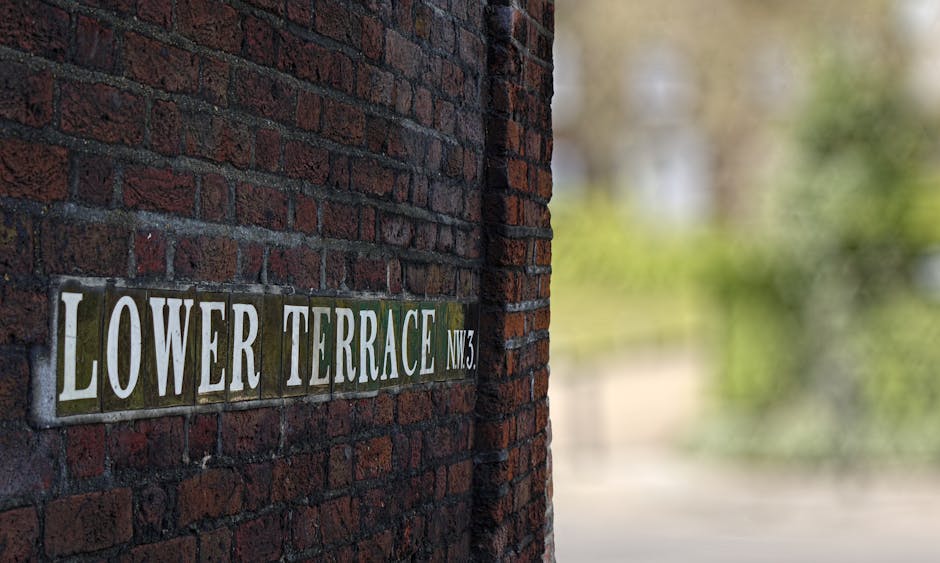
N14 gardeners top tips for Grovelands Park homes
If you live near Grovelands Park, you already know the gardens around N14 have their own character: mature trees, shifting shade, pockets of wind, and the kind of soil that can look fine on the surface and still behave a bit strangely once you start planting. That is exactly why N14 gardeners top tips for Grovelands Park homes are worth paying attention to. A tidy garden is one thing. A garden that actually thrives through London's seasons is something else entirely.
In this guide, we'll look at what makes local garden care different, how to plan sensible maintenance for a Grovelands Park property, and the practical steps that save time, money, and a fair bit of frustration. You will also find a comparison table, a real-world example, and a checklist you can use straight away. No fluff. Just useful advice that helps your garden look better and work harder for you.
For readers who want a fuller picture of the services and standards behind this kind of work, it can help to look at the services overview, the company's background and approach, and the practical details on pricing and quotes. Those pages are useful if you are deciding whether to manage everything yourself or bring in help.
Quick takeaway: the best gardens in N14 are rarely the ones with the most effort thrown at them. They are the ones with a clear plan, the right plants in the right place, and regular maintenance that matches the property rather than fighting it.
Table of Contents
- Why N14 gardeners top tips for Grovelands Park homes Matters
- How N14 gardeners top tips for Grovelands Park homes Works
- Key Benefits and Practical Advantages
- Who This Is For and When It Makes Sense
- Step-by-Step Guidance
- Expert Tips for Better Results
- Common Mistakes to Avoid
- Tools, Resources and Recommendations
- Law, Compliance, Standards, or Best Practice
- Options, Methods, or Comparison Table
- Case Study or Real-World Example
- Practical Checklist
- Conclusion
- Frequently Asked Questions
Why N14 gardeners top tips for Grovelands Park homes Matters
Grovelands Park homes sit in an area where gardens often do more than decorate a property. They frame the house, soften the street view, and carry a lot of the first impression. A front garden in N14 might be small and formal. A rear garden might be long, mature, and a little uneven after years of ad hoc planting. Either way, the right gardening decisions matter because they affect how the space feels every single day.
The local conditions also make a difference. Shaded borders under trees, compacted soil near paths, and pockets of damp after rain are all common enough. That means generic gardening advice can miss the mark. A border that looks brilliant in a sunny suburban brochure may sulk badly here. Truth be told, some plants just do not enjoy being in the wrong postcode. Bit of a drama, but there you go.
Using sensible N14 gardening guidance helps you avoid wasted planting, overwatering, poor drainage choices, and expensive do-overs. It also helps if your home has different uses across the year. Maybe you want summer seating, a safe play area, space for entertaining, or simply a garden that looks respectable from the kitchen window. The right plan can support all of that without turning maintenance into a second job.
There is also a trust and standards angle. Homeowners usually want clear communication, realistic maintenance schedules, and proper attention to safety. If you are hiring help, it is wise to check practical matters such as insurance and safety and the company's health and safety policy. That may sound a bit formal for gardening, but ladders, tools, debris, and heavy lifting are part of the picture.
How N14 gardeners top tips for Grovelands Park homes Works
At heart, this approach is simple: assess the garden properly, match the work to the space, and keep the maintenance realistic. Sounds obvious, doesn't it? Yet a lot of garden problems begin when someone rushes straight into planting or pruning without understanding how the garden behaves through the seasons.
The process usually starts with observation. Where does the sun fall in spring versus late summer? Where does water collect after heavy rain? Which areas get wind funnelling between houses? Which beds are starved of light because of mature hedging or trees? Once you know those things, the rest becomes easier.
From there, a good gardener will typically prioritise:
- soil condition and drainage
- plant health and spacing
- access and usability
- seasonal timing
- low-fuss maintenance where the homeowner needs it
In practical terms, that means not treating every bed the same. A shady north-facing corner might need leafy evergreens, ferns, or shade-tolerant perennials. A sunny strip by a path may do well with tougher, drought-tolerant planting. And if the soil is heavy, you improve structure before you start chasing colour. Otherwise you end up feeding the symptoms, not the problem.
This is also where ongoing maintenance makes sense. A one-off tidy can help, sure, but the best results usually come from regular visits that keep weeds down, shape growth, and stop little issues becoming big ones. If you're comparing what ongoing care might involve, the services overview is a sensible starting point.
Key Benefits and Practical Advantages
Good garden care in Grovelands Park is not just about looking neat. It brings practical gains that you notice over time, and some of them are surprisingly ordinary in the best possible way.
1. A garden that feels easier to live with
When borders are planted properly and lawns are maintained consistently, the whole space becomes calmer. You spend less time fighting overgrowth and more time using the garden. That is the whole point, really.
2. Better plant performance
Plants placed in the right conditions need less rescue work. They flower more reliably, cope better with dry spells, and usually stay healthier through winter. It is less flashy than a total redesign, but far more satisfying.
3. Lower long-term waste
Replacing failed plants, repairing waterlogged beds, or correcting a poor layout can get expensive. Thoughtful planning helps reduce waste, and if sustainability matters to you, the company's approach to recycling and sustainability is worth a look.
4. Better kerb appeal
For many Grovelands Park homes, the front garden does a lot of visual work. Clean lines, healthy planting, and simple seasonal upkeep can make a property feel cared for without making it look overdone.
5. Safer access and better movement
Paths, steps, and edges should stay clear. That matters for children, older residents, delivery access, and anyone carrying shopping or garden waste. Not glamorous, but very real.
| Approach | What it usually gives you | Potential drawback |
|---|---|---|
| Occasional tidy-up only | Fast visual improvement | Problems return quickly, especially in growing season |
| Seasonal maintenance plan | Better balance between effort and results | Needs consistency |
| Full design-led care | Strongest long-term structure and plant health | Usually higher upfront cost |
| DIY only | Maximum control | Time-heavy, and mistakes can be expensive |
For many households, a seasonal plan is the sweet spot. Enough attention to keep things in shape, but not so much that the garden becomes a part-time obsession. Let's face it, most people already have enough on.
Who This Is For and When It Makes Sense
This kind of local gardening guidance is useful for a wide mix of homeowners. It is not only for large gardens or people with classic planting borders. In fact, some of the trickiest spaces are modest ones with awkward shade, narrow side returns, or patchy lawn areas.
You will likely benefit from N14-specific gardening tips if you are:
- a homeowner in Grovelands Park wanting a garden that looks cared for year-round
- a landlord trying to keep outdoor space presentable between tenancies
- a busy family needing safer, lower-maintenance planting
- a retiree who wants the garden to be manageable rather than demanding
- someone preparing to sell and wanting stronger kerb appeal
- a new resident learning what grows well in this part of North London
It also makes sense if you have inherited a garden that feels a bit chaotic. That happens more than people admit. One client-style scenario we see often is a rear garden that has been "temporarily" planted over several years. A shrub here, a rose there, a few self-seeded plants, and suddenly the space has no structure. It happens quietly.
If you are trying to decide whether to manage that yourself or bring in support, it can help to compare the likely effort with the outcome you want. For people who need transparent estimates, pricing and quotes gives a good sense of how a professional service may be approached.
Step-by-Step Guidance
Here is a practical way to approach a Grovelands Park garden without getting overwhelmed. Keep it simple. Really simple.
Step 1: Start with a proper walkthrough
Stand in the garden at different times of day if you can. Early morning, late afternoon, and after rain are especially useful moments. Notice where the light sits, where the ground feels soft, and where plants already seem happy.
Step 2: Separate the garden into zones
Think in practical zones rather than one big outdoor space. For example:
- front approach
- main seating area
- border and planting beds
- lawn or hardstanding
- storage or utility area
This makes maintenance much easier. You are no longer saying, "I need to do the garden." You are saying, "I need to tidy the front, cut back the back border, and sort the lawn edge." Much more manageable.
Step 3: Work out what should stay and what should go
Some plants are worth keeping. Others are simply taking up space. If a shrub is bare at the base, blocking a path, or competing badly with nearby plants, it may be time to reduce or remove it. A hard prune can help in some cases, but not everything recovers well. Slightly annoying, but true.
Step 4: Improve the soil before adding more plants
Most gardens benefit from better soil structure, organic matter, and sensible mulching. A mulch layer helps retain moisture and suppress weeds, which matters in London's stop-start weather. It also gives the garden a more finished look.
Step 5: Replant with purpose
Choose plants based on conditions, not just colour in the nursery. If the area is dry and sunny, go for tougher choices. If it is shady and damp, use plants that like those conditions. Group plants with similar needs together. That one habit saves a lot of grief.
Step 6: Set a maintenance rhythm
Gardens do not stay tidy by luck. They stay tidy by routine. In peak growing months, tasks like mowing, deadheading, edging, and light pruning may need more frequent attention. In colder months, the focus changes to structure, protection, and keeping the site clean.
Step 7: Review after one season
After a full year, look at what worked and what did not. Maybe the lavender got too wet. Maybe the hedge has shaded a border more than expected. Adjusting now is much cheaper than waiting another year and hoping for magic.
Expert Tips for Better Results
If you want gardens in N14 to look polished without becoming high-maintenance, these are the tips that usually make the biggest difference.
Use structure first, then add interest
A good garden needs bones: hedging, pathways, evergreen shrubs, or clear bed edges. Once that framework is in place, seasonal colour lands better. Without structure, even lovely plants can look a bit lost.
Plant for shade, not against it
Grovelands Park homes often have areas influenced by mature trees or neighbouring buildings. Instead of forcing sun-loving plants into those spots, accept the shade and work with it. It is much easier. Much.
Keep lawn expectations realistic
Lawn care in a local urban setting is about consistency, not perfection. If a lawn gets a lot of foot traffic or partial shade, it may never look like a golf green. That is fine. Aim for healthy and usable rather than impossible.
Mulch at the right time
Mulching after clearing weeds and watering dry soil can make a noticeable difference. It helps beds hold moisture and keeps them looking finished. Just do not smother stems or pile it against trunks.
Prune with a purpose
Pruning should improve shape, health, and light. If you are cutting just because something feels untidy, pause and ask whether it needs a different type of management instead. A quick snip can turn into a long recovery period if you get carried away.
Choose low-fuss plants where life is busy
If you know you will not have time for weekly attention, build that reality into the planting. Tough perennials, evergreen structure, and repeat-flowering shrubs can create a good result with fewer interventions.
Expert summary: the most successful Grovelands Park gardens tend to mix practical maintenance with a light hand. That means enough work to keep things healthy, but not so much that the garden loses its character.
Common Mistakes to Avoid
Most garden headaches are predictable. The good news? That means they are avoidable too.
- Planting without checking light levels. A plant that looks fine in a shop can struggle badly in the wrong corner.
- Ignoring drainage. Soggy soil causes more failures than people expect.
- Overpruning shrubs and hedges. It can leave bare patches that take ages to recover.
- Letting weeds go to seed. One missed round can create several more jobs later.
- Using too many plant varieties. A cluttered border often looks busier, not better.
- Forgetting access points. Paths and steps need to stay clear year-round.
- Buying on impulse. That attractive plant at the garden centre may not suit your soil, sun, or schedule.
A lot of these mistakes are small when they happen. They become expensive when they stack up. That is usually where people feel a garden has "gone wrong", although really it has just drifted without a plan. Happens to the best of us.
Tools, Resources and Recommendations
You do not need a shed full of specialist kit to keep a Grovelands Park garden in good shape. A few reliable tools and a sensible maintenance routine will go further than fancy equipment you only use once in a blue moon.
Useful basic tools
- sharp secateurs for light pruning and deadheading
- hedge shears for small shaping jobs
- a sturdy rake for leaves and debris
- gloves with a decent grip
- a watering can or hose with controlled flow
- spade and border fork for soil work
- lawn mower suited to the size of the lawn
Practical materials
- organic mulch
- compost or soil improver
- plant supports for taller perennials
- edge trimming tools
- waste bags or bins for clippings
For households that prefer to keep things straightforward, it may also be worth reviewing how the business handles payment and security and, if relevant, the company's terms and conditions. That is not exciting reading, granted, but it helps set expectations properly.
And if you care about ethics and responsible working practices, there is also a public-facing modern slavery statement. It is another small signal that a business is thinking about standards beyond the garden gate.
Law, Compliance, Standards, or Best Practice
Gardening in a residential setting is not usually heavy on legal complexity, but there are still sensible standards to follow. Homeowners and gardeners should think about safety, waste handling, neighbour consideration, and fair access. That is the practical baseline.
If work involves tools, ladders, power equipment, or the removal of heavy green waste, good practice matters. Safe lifting, tidy work areas, and correct equipment use reduce the risk of accidents. It sounds obvious, yet garden tasks are full of small hazards: uneven paving, hidden roots, slippery moss, and those deceptively sharp pruning cuts that catch you off guard.
Where a business is involved, it is also sensible to confirm that the provider has suitable insurance and operates with a clear safety policy. That can matter for peace of mind if work is being done around children, pets, parked cars, or delicate planting.
Waste disposal should be handled responsibly too. Garden clippings, soil, and old plant material should not just be dumped wherever convenient. If a service prioritises green waste handling and recycling, that is usually a good sign. The company's recycling and sustainability page is relevant here.
For homeowners who need accessible information or want to understand how a business presents its policies, pages such as the accessibility statement and privacy policy can also be useful. Not glamorous, no. But helpful.
Options, Methods, or Comparison Table
Choosing the right gardening approach for a Grovelands Park home often comes down to how much time, structure, and control you want. Here is a straightforward comparison.
| Method | Best for | Strengths | Limitations |
|---|---|---|---|
| DIY seasonal care | Hands-on homeowners | Low cost, complete control, flexible timing | Can become inconsistent; easy to miss seasonal tasks |
| Ad hoc tidy-ups | Very occasional use or quick refreshes | Fast visible improvement | Does not solve underlying issues; weeds and shape return quickly |
| Regular maintenance visits | Busy households and neat front gardens | Reliable upkeep, better plant health, less stress | Ongoing spend |
| Design-and-maintain approach | Gardens needing a reset | Best long-term structure and performance | More planning and higher upfront investment |
If you are undecided, ask yourself one simple question: do you want the garden to survive your schedule, or do you want to build a schedule around the garden? The answer usually makes the choice clearer. A bit blunt, perhaps, but useful.
Case Study or Real-World Example
Here is a realistic example based on a typical Grovelands Park-style rear garden. A homeowner had a medium-sized space with a patchy lawn, a shady back corner, and two borders that had been gradually filled with mismatched shrubs over several years. The garden looked fine in winter from a distance, but in spring it became busy, uneven, and hard to maintain.
The first step was not to start planting more. It was to simplify.
Over one visit, the priorities were:
- clear the overgrown edges
- remove one shrub that had outgrown its spot
- improve soil in the shade-heavy border
- add a small number of plants suited to low light
- define a cleaner lawn edge
After that, the garden had fewer problems to fight. Not perfect, not overdesigned, just calmer. The owner could see what belonged where, and maintenance became less of a weekend battle. By the end of the season, the space looked more intentional, and a lot less tired.
That kind of result is common. The magic is rarely magic. It is usually restraint, sequencing, and choosing plants that can handle the actual conditions outside the window at 7 a.m. on a rainy Tuesday.
Practical Checklist
Use this quick checklist before starting work on a Grovelands Park garden.
- Have you checked sun, shade, and damp areas?
- Do you know which plants are worth keeping?
- Has drainage been reviewed in the worst-performing spots?
- Are paths, steps, and access routes clear?
- Is the soil being improved before replanting?
- Are your plant choices suited to the conditions?
- Is there a realistic maintenance plan for spring, summer, autumn, and winter?
- Have you set aside space for green waste and recycling?
- Do you know whether you want DIY care or professional support?
- Have you checked the practical details on how to make contact if you want advice or a quote?
Simple rule: if a task keeps being postponed, the garden probably needs a more sustainable system, not more guilt.
Conclusion
The best N14 gardeners top tips for Grovelands Park homes come down to a few grounded habits: understand the site, plant for the conditions, keep maintenance regular, and avoid overcomplicating the space. Grovelands Park gardens can be lovely, but they tend to reward patience and thoughtful planning more than rushed fixes.
If you focus on structure first, then healthy planting, then consistent upkeep, you give your garden a far better chance of staying attractive without turning into a never-ending project. That balance matters. Especially in a busy part of London where outdoor space should feel like a relief, not another chore.
If you are ready to take the next step, whether that is a one-off tidy, a seasonal plan, or a more considered garden refresh, it is worth exploring the service details and getting a sense of what fits your home best. A little planning now can save a lot of frustration later.
Get a free quote today and see how much you can save.
And if you are still weighing things up, that is completely fine. The right garden plan often starts with one small, sensible decision, and then the space starts to breathe again.
Frequently Asked Questions
What are the best gardening tips for Grovelands Park homes in N14?
The best tips are to match plants to shade and soil conditions, keep a regular maintenance routine, and avoid overplanting. Grovelands Park gardens often benefit from structure, mulching, and realistic upkeep rather than constant redesign.
Why is local gardening advice important in N14?
Because gardens around Grovelands Park can have shade, mature trees, compacted soil, and small climate differences from one property to the next. Local advice helps you choose plants and maintenance routines that actually work in those conditions.
How often should a Grovelands Park garden be maintained?
It depends on the size and planting style, but most gardens need more attention during spring and summer. Even a simple schedule of mowing, weeding, edging, and light pruning every few weeks can make a big difference.
What plants usually work well in shady N14 gardens?
Shade-tolerant plants such as ferns, evergreen shrubs, and certain woodland-style perennials are often better suited than sun-loving plants. The key is to choose plants based on the actual light levels in each part of the garden.
Is professional garden maintenance worth it for a small home?
Often, yes. Small gardens can become messy quickly, and professional maintenance may save time while keeping things tidy and healthy. It can also help if the space has awkward edges, drainage issues, or hard-to-manage hedges.
What is the most common mistake homeowners make with local gardens?
The biggest mistake is planting without checking conditions first. People often choose plants for looks alone, then wonder why they struggle. Light, moisture, and soil type matter a lot.
How can I make my garden lower maintenance?
Use fewer plant varieties, add more structure, mulch beds, and choose hardy plants that fit the site. A lower-maintenance garden is usually planned that way from the start, not fixed later by luck.
Do I need to worry about safety when using garden services?
Yes. If tools, ladders, or heavy materials are involved, you should expect safe working practices, proper equipment, and appropriate insurance. That is standard good practice rather than a luxury.
How do I know whether my garden needs a full refresh?
If the space feels disorganised, plants are failing in the same spots, or maintenance always seems harder than it should, a refresh may help. Sometimes the problem is not the gardener's effort. It is the layout.
What should I ask before booking a gardening service?
Ask what is included, how often work is recommended, whether the provider is insured, and how pricing is structured. It is also sensible to review pricing and quotes before committing.
Can sustainability be part of regular garden care?
Absolutely. Composting, recycling green waste, using long-lasting planting, and avoiding unnecessary replacements all help. Sustainable gardening is often more practical too, which is the nice surprise.
What should I do before asking for a quote?
Make a quick list of what the garden needs, note any problem areas, and think about whether you want one-off work or ongoing maintenance. If you need direct advice, use the contact page to start the conversation.