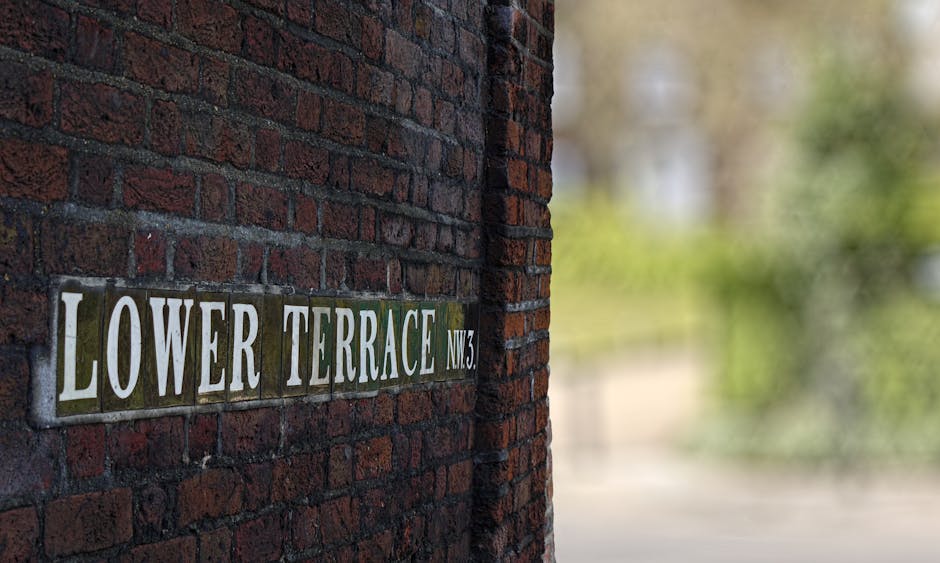
Southgate High Street gardeners guide for terrace gardens
If you live near Southgate High Street and your outdoor space is more "compact but full of potential" than sprawling lawn, you're in the right place. A terrace garden can be a tiny courtyard, a long narrow strip, a paved back yard, or a patch that gets a bit of morning sun and not much else. The good news? With the right approach, it can still feel calm, green, and properly lived in. This Southgate High Street gardeners guide for terrace gardens brings together practical planning, planting, maintenance, and local know-how so you can make better decisions without wasting time or money.
Whether you want a low-fuss space for coffee and herbs, a smart front terrace that lifts kerb appeal, or a family-friendly layout that actually works in day-to-day life, the key is to design for the space you have, not the one you wish you had. Simple enough in theory. A bit fiddly in practice, as terrace gardens often are.
In the sections below, you'll find a clear step-by-step framework, common mistakes to avoid, a comparison table, a real-world example, and a checklist you can use straight away. If you're also thinking about bigger changes, it can help to look at the full range of gardening services available and see which parts you're happy to tackle yourself.
Table of Contents
- Why Southgate High Street gardeners guide for terrace gardens Matters
- How Southgate High Street gardeners guide for terrace gardens Works
- Key Benefits and Practical Advantages
- Who This Is For and When It Makes Sense
- Step-by-Step Guidance
- Expert Tips for Better Results
- Common Mistakes to Avoid
- Tools, Resources and Recommendations
- Law, Compliance, Standards, or Best Practice
- Options, Methods, or Comparison Table
- Case Study or Real-World Example
- Practical Checklist
- Conclusion
- Frequently Asked Questions
Why Southgate High Street gardeners guide for terrace gardens Matters
Terrace gardens behave differently from larger suburban plots. They heat up faster, dry out faster, and can feel cluttered very quickly if the layout is off by even a little. In a town-centre setting like Southgate High Street, you're often dealing with shade from nearby buildings, narrow access, hard surfaces, and the need to make every square metre earn its keep.
That matters because small spaces can go wrong in surprisingly expensive ways. Choose the wrong plants and they sulk. Put the seating in the wrong place and the whole garden feels awkward. Ignore drainage and you may end up with puddles, slippery paving, and plants that look permanently fed up. A terrace garden needs structure first, then softness, then maintenance that fits your actual routine.
There's also the local lifestyle piece. Many Southgate households want something neat, welcoming, and manageable rather than high-maintenance perfection. Truth be told, that is usually the smartest aim. A beautiful terrace garden should make you want to go outside on a Tuesday evening in June, not give you another weekend job list.
If your terrace has become overgrown, blocked, or full of old pots and broken furniture, a sensible reset may be needed before anything else. In those cases, garden clearance can be the quickest way to get the space back under control.
How Southgate High Street gardeners guide for terrace gardens Works
The basic idea is simple: start with the conditions, then build around them. A terrace garden usually works best when you treat it like a small outdoor room. That means thinking about zones, materials, movement, planting layers, and maintenance from the beginning, not as an afterthought.
First, assess the space honestly. Where does the light fall? Which areas stay damp? Is there enough privacy? Is access through the house awkward? Do you need room for bins, bikes, or a foldable table? These details sound mundane, but they decide what's realistic.
Next, choose a layout that reduces fuss. In compact gardens, one or two strong decisions often beat five half-hearted ones. For example, a bench in one corner, vertical planting along one boundary, and a tidy strip of gravel or paving can make the space feel balanced without trying too hard.
Then comes planting. On terraces, you usually get better results with containers, raised beds, evergreen structure, and a few seasonal highlights. Plants need to cope with wind, reflected heat, and patchy shade. If you want a richer design rather than just a few pots dotted around, landscape gardening can help turn a plain terrace into something more cohesive.
Finally, build a maintenance rhythm. Terrace gardens are small, yes, but they can still become messy fast. A quick weekly check, regular watering, pruning where needed, and a seasonal tidy-up usually keeps things looking sharp. A little and often. That's the trick.
Key Benefits and Practical Advantages
A well-planned terrace garden gives you more than just pretty planting. It changes how the space feels and how often you use it. You notice this most when the weather turns mild and suddenly the garden becomes part of daily life again.
- Better use of space: Clear zoning helps even a small terrace feel more spacious.
- Lower maintenance: The right plants and surfaces reduce ongoing work.
- Improved privacy: Screening, trellis, and structured planting soften overlooked boundaries.
- Year-round interest: Evergreen structure keeps the space from looking bare in winter.
- Higher everyday enjoyment: A comfortable layout makes the garden usable, not just look nice in photos.
There's also a practical value angle. A tidy, well-kept terrace can support kerb appeal, and if you're balancing budgets, it's easier to phase work sensibly rather than doing everything at once. Some homeowners start with a simple cleanup and then add features later. That is often the least painful route.
Where ongoing care is part of the picture, regular garden maintenance can help keep planting under control, especially when terrace borders, containers, and small trees need routine attention.
Who This Is For and When It Makes Sense
This guide is for anyone in or around Southgate High Street who wants a terrace garden that feels intentional rather than improvised. It suits homeowners, renters with permission to improve outdoor space, landlords trying to keep a property presentable, and busy families who want low-effort greenery that still looks polished.
It also makes sense if you're dealing with one of these situations:
- the garden is narrow, shaded, or awkwardly shaped
- you want a cleaner, smarter entertaining area
- the current setup is mostly pots, patchy paving, and weeds
- you've inherited a garden that has not had much love for a while
- you need planting that survives real life, not just ideal conditions
If your terrace is mostly hard landscaping already, then the job may be more about design balance than planting volume. That's where good judgement matters. A bit of structure. A bit of softness. Not too much of either. To be fair, the best terrace gardens often look simple because the thinking behind them wasn't simple at all.
Step-by-Step Guidance
1. Start with a clear reset
Begin by removing what no longer serves the space. Dead plants, broken pots, old furniture, tired soil, and half-finished projects all steal visual space. If the terrace has become cluttered over time, a proper clear-out is often the fastest way to see what you're working with.
2. Measure the usable area
Don't just estimate. Measure the width, length, and any pinch points. Note where doors open, where drains sit, and where movement feels tight. A terrace garden can look generous on paper and still feel cramped in reality if circulation is ignored.
3. Map the light and shelter
Watch the space at different times of day if you can. Morning sun, afternoon shade, and windy corners all matter. A plant that thrives in a bright sheltered courtyard may struggle on a breezy exposed terrace.
4. Decide the main function
Ask yourself what the garden should do first. Dining? Relaxing? Growing herbs? Playing space? Screening neighbours? You can have more than one use, but one main purpose should lead the layout. Otherwise it becomes a jumble.
5. Build the framework
This is the bones of the garden: paving, decking, beds, planters, trellis, and seating positions. If you want a more polished finish, simple hard landscaping can make a huge difference. In some spaces, landscaping is the step that turns a basic terrace into a proper outdoor room.
6. Add planting in layers
Use height, texture, and seasonality. A few tall evergreens, medium shrubs, and lower planting around the base usually looks better than one layer of small pots. If a boundary needs screening, structured supports or climbing plants can soften it without closing the space in completely.
7. Finish with lighting, furniture, and storage
Choose smaller, lighter pieces where possible. Fold-away furniture and hidden storage can be lifesavers. Lighting does not need to be elaborate. Even a modest setup can make the terrace feel usable in the evening, especially on those late spring nights when the air is still warm.
8. Put a maintenance routine in place
Set a weekly check for watering, deadheading, and sweeping. Monthly tasks can include feeding, pruning, and checking drainage. Seasonal work should cover reshaping, replanting, and refreshing containers. If you don't set the rhythm, the garden sets it for you. And it is not always polite about it.
Expert Tips for Better Results
A few small choices make terrace gardens feel much more professional.
- Use repetition: Repeating one or two container styles or plant types helps the eye rest.
- Think vertically: Walls, railings, and fences are useful surfaces, not dead zones.
- Choose honest materials: Weathered timber, gravel, brick, and simple planters often age better than flashy finishes.
- Keep one focal point: A statement pot, bench, or tree gives the garden identity.
- Leave breathing room: Empty space is not wasted space. It helps small gardens feel calmer.
One thing people often underestimate is soil volume. In containers, roots have limited room, so the pot size and compost quality really matter. A plant in a tiny pot can look fine for a while, then suddenly decline. A bit dramatic, really, but there it is.
If you have taller shrubs, small trees, or boundary planting that needs control, hedge trimming can be useful for keeping the lines clean and avoiding that "everything has started leaning into the path" feeling.
Common Mistakes to Avoid
Terrace gardens go wrong in predictable ways. Once you've seen a few, the pattern becomes obvious.
- Overfilling the space: Too many pots, ornaments, and pieces of furniture make the garden feel smaller.
- Ignoring drainage: Waterlogged corners are bad news for plants and paving alike.
- Choosing the wrong plants for exposure: Sun, wind, and shade all matter more in compact spaces.
- Forgetting maintenance access: You still need to reach containers, drains, and boundary edges.
- Using weak structure: Without good bones, the garden can feel messy even if the plants are healthy.
- Buying before planning: A nice plant in the wrong place is still the wrong plant.
Another easy trap is designing for one season only. Summer looks lovely. Then November arrives, the flowers fade, and the whole area feels exposed. Evergreen shape, bark texture, and good hard surfaces keep things from collapsing visually when the colour drops out.
And yes, a terrace garden can become a bit of a storage area by accident. The broom, the bike lock, the odd bag of compost, the plant pots "for later". Suddenly it's less garden and more backstage area. Happens all the time.
Tools, Resources and Recommendations
You do not need a shed full of kit to maintain a terrace garden well. In most cases, a focused set of tools is better than a huge, half-used collection.
| Area of work | Best approach | Why it helps |
|---|---|---|
| Cleaning and tidy-up | Stiff brush, hand fork, bags or tubs for waste | Keeps paving clear and makes the space feel bigger |
| Watering | Watering can or compact hose setup | More control in containers and narrow spaces |
| Planting | Good-quality compost, mulch, and appropriately sized pots | Supports healthy roots and steadier moisture |
| Pruning | Secateurs and small loppers | Useful for precise shaping in tight spaces |
| Structure | Trellis, planters, edging, or screens | Adds definition without taking much room |
For larger tidying jobs or seasonal resets, professional support can save a lot of time and backache. A one-off refresh is often a smart starting point before you commit to deeper design changes. If you're comparing options, it helps to understand pricing and quotes before deciding what to do in-house and what to outsource.
And if you want the whole garden project handled from planning through to the final tidy-up, learning more about the team can give you a clearer sense of approach and standards.
Law, Compliance, Standards, or Best Practice
For most terrace garden projects, the main practical concerns are safety, neighbourly impact, and responsible work methods. In the UK, it is sensible to treat pruning, tree work, and waste handling carefully, even for small gardens. If a plant or small tree is near a boundary, grows over access routes, or may affect adjoining property, it is worth taking a measured approach rather than cutting first and thinking later.
Best practice usually means the following:
- work safely with stable footing on terraces, steps, and wet paving
- use suitable tools and keep cutting equipment in good condition
- avoid creating slip hazards from moss, loose soil, or water pooling
- check whether nearby trees or hedges need more careful handling
- dispose of green waste responsibly
If clearance, pruning, or removal work is involved, it's sensible to use a provider that takes health and safety seriously. For example, you can review health and safety information and insurance and safety details before booking any more involved work.
Responsible disposal also matters. Compostable material, branches, and mixed waste should be separated where practical. If you're trying to make the garden cleaner and lower-impact over time, the approach outlined in recycling and sustainability is a useful mindset to follow. Not glamorous, perhaps, but it keeps the job tidy and better for the long run.
Options, Methods, or Comparison Table
There is no single correct way to set up a terrace garden. The right choice depends on how much time you want to spend, how formal you want the finish to feel, and how much change you want to make right away.
| Method | Best for | Strengths | Trade-offs |
|---|---|---|---|
| Container-led terrace | Renters, small budgets, flexible layouts | Easy to change, simple to manage, low commitment | Can look cluttered if overdone; watering needs are higher |
| Structured planting beds | Homeowners wanting a more settled design | Feels established and cohesive, good for layering plants | Less flexible once installed, may need more upfront work |
| Hard-landscaped courtyard | Low-maintenance priorities | Clean lines, durable finish, easy to keep tidy | Needs careful planting to avoid a cold or bare feel |
| Mixed terrace garden | Most households | Balanced, adaptable, and usually the most practical | Requires thoughtful design to avoid visual noise |
In many Southgate terrace gardens, the mixed approach is the sweet spot. It gives you enough structure to feel intentional and enough flexibility to adapt as your needs change. That's the kind of setup people tend to keep using year after year, which matters more than perfection on day one.
If your project includes paved areas, screens, or a seating platform, you may also find decking services relevant, especially where you want a warmer, more usable surface than plain hard paving.
Case Study or Real-World Example
Here's a typical scenario. A Southgate terrace garden sits behind a mid-terrace property and has become a mixed bag of tired pots, uneven paving, a narrow strip of border, and one overly enthusiastic shrub that has made itself far too comfortable. The owners want somewhere peaceful for morning coffee and weekend lunches, but the space currently feels darker and smaller than it should.
The first step is a clear-out. Dead plants go, broken containers go, and anything blocking the natural movement through the garden is removed. Once the clutter is gone, the shape of the space becomes obvious. That alone can be a relief.
Next, the layout is simplified: a small seating area sits closest to the house, a vertical screen softens one boundary, and a few larger containers create structure at the far end. Instead of lots of tiny pots, the design uses fewer, better-chosen planters with evergreen planting and seasonal colour. The garden now feels calmer and more intentional, and the owners spend less time shuffling things around every other week.
In this kind of project, what changes most is not just the appearance. It's the way people use the space. They go outside more. They leave the door open a bit longer on mild evenings. The garden stops being something to "sort out later" and starts being part of the house. Small win, but a real one.
Practical Checklist
Use this checklist before you start any terrace garden refresh.
- Measure the usable space accurately
- Check where the sun falls during the day
- Identify wet, shaded, or windy spots
- Remove clutter and dead material first
- Decide the main purpose of the garden
- Choose a simple layout with clear zones
- Use a few strong plants rather than too many weak ones
- Allow room for access and maintenance
- Plan watering and drainage early
- Include at least one evergreen feature
- Think about storage for tools and cushions
- Schedule regular upkeep from the start
If you can tick most of these off, you are already ahead of the game. Honestly, that's the bit many people skip. Then they wonder why the garden never quite settles.
Conclusion
A good terrace garden in Southgate is not about having the biggest space or the fanciest plants. It's about making smart choices for a compact, often tricky setting and keeping the whole thing manageable over time. Once the structure makes sense, everything else gets easier: planting, maintenance, and day-to-day enjoyment.
Start with the layout. Respect the light. Keep the plant mix realistic. And don't overload the space just because you can fit one more pot in the corner. The best terrace gardens feel calm, useful, and slightly effortless, even though they usually took a fair bit of thought to get there.
Get a free quote today and see how much you can save.
When a terrace garden works well, it quietly improves the whole house. You notice it in the morning light, in the cleaner lines, in the way the space suddenly feels like somewhere you want to be. That's worth getting right.
Frequently Asked Questions
What makes a terrace garden different from a normal garden?
A terrace garden usually has less soil depth, more hard landscaping, tighter access, and more exposure to wind or reflected heat. That means layout and plant choice matter a lot more than people expect.
What are the best plants for a terrace garden in Southgate?
It depends on light and shelter, but compact evergreen shrubs, tough perennials, herbs, and container-friendly plants usually do well. The key is choosing plants that match the actual conditions, not the ideal ones.
How do I make a small terrace garden look bigger?
Use fewer, larger containers, repeat materials, keep colours restrained, and leave some open space. Vertical planting and tidy edges can also make a small garden feel less cramped.
How often should a terrace garden be maintained?
Weekly light maintenance is usually enough for tidying, watering, and checking plant health. More substantial pruning, feeding, and seasonal refreshes can be done less often.
Can a terrace garden be low maintenance?
Yes, absolutely. The trick is to limit the number of plant varieties, use durable materials, and choose planting that suits the site. Low maintenance does not mean no maintenance, though.
What should I do if my terrace garden is overgrown?
Start with a clear-out and remove dead, damaged, or overcrowded material. If the space has got away from you, a proper reset through garden clearance is often the quickest way to begin again.
Do I need a professional for terrace garden design?
Not always, but it can help if the layout is awkward, the space is very small, or you want a polished finish. A professional can often spot practical issues before you spend money on the wrong fix.
How do I stop containers drying out too fast?
Use larger pots where possible, add mulch, choose compost that holds moisture well, and group containers together to reduce evaporation. In hot spells, you may need to water more often than you think.
Is decking a good idea for a terrace garden?
It can be, especially if you want a warmer seating area or a more defined outdoor room. It works best when the rest of the garden is designed to soften the hard edges.
What is the most common mistake people make with terrace gardens?
Overfilling the space is probably the biggest one. Too many features, too many pots, and too many competing styles can make even a good terrace feel awkward.
How do I choose between landscaping and garden maintenance?
Choose landscaping if the layout, surfaces, or structure need changing. Choose garden maintenance if the bones are fine but the planting and tidiness need regular care. Many gardens need a bit of both over time.
Where should I start if I want help with my terrace garden?
Start by deciding whether you need a reset, a redesign, or simple ongoing care. Then look at the most relevant service path, review the practical information on services overview, and go from there.