What to Know About Late Season Lawn Care Southgate Gardeners
Late season lawn care can make the difference between a tired-looking patch of grass in spring and a lawn that wakes up ready to grow. If you are a Southgate homeowner or gardener trying to decide what still needs doing before winter settles in, you are in the right place. What to know about late season lawn care Southgate gardeners is really about timing, restraint, and doing the right jobs before the cold, wet months take over. Miss the window and the lawn can stay compacted, matted, and patchy for months. Get it right, and you give the turf a far better start next year.
In practice, late season care is not about heavy intervention. It is about sensible finishing work: mowing correctly, clearing debris, improving airflow, tidying edges, easing compaction, and avoiding anything that could stress the grass. That sounds simple enough, but this is exactly where many gardens go a bit sideways. Let's face it, autumn has a way of making even keen gardeners lose momentum.
This guide covers the practical details Southgate gardeners should know, including what to do, what to leave alone, how to judge the lawn's condition, and when it makes sense to call in help. If you want a broader look at seasonal upkeep, you may also find the garden maintenance service page useful for understanding routine care across the year.
Table of Contents
- Why late season lawn care matters
- How late season lawn care works
- Key benefits and practical advantages
- Who this is for and when it makes sense
- Step-by-step guidance
- Expert tips for better results
- Common mistakes to avoid
- Tools, resources and recommendations
- Law, compliance, standards, or best practice
- Options, methods, or comparison table
- Case study or real-world example
- Practical checklist
- Conclusion
- Frequently asked questions
Why late season lawn care matters
By the time late autumn arrives in Southgate, lawns are usually dealing with fewer daylight hours, more dampness, and slower growth. That combination changes how grass behaves. It no longer recovers quickly from wear, so every mistake lingers longer. Heavy foot traffic, compacted soil, leaves left to rot, or one final rough mow can all create problems that become obvious only later, when the weather improves and the lawn looks thin and uneven.
Why does this matter so much? Because lawns are living surfaces, not carpets. Grass stores energy, roots keep working for a while after top growth slows, and the soil beneath is still active even when the garden looks sleepy. Late season care supports all three. It helps the lawn finish the year in better condition, which is especially useful in London gardens where shade, fencing, mature planting, and variable drainage often complicate things a bit.
There is another reason too: winter weather can be unforgiving. Wet soil compresses easily. Fallen leaves can trap moisture. Moss tends to creep in where grass is weak. If your lawn already struggles with shade or patchiness, ignoring it in autumn is usually like leaving the front door open and hoping for the best. Not ideal.
Expert summary: late season lawn care is less about making the lawn look perfect now and more about protecting its health for spring. Keep it tidy, avoid overworking it, and remove anything that blocks light, air, or drainage.
For gardens that need more than a tidy-up, a wider garden clearance can help remove leaf build-up, broken branches, and leftover seasonal debris before it turns into a soggy mess.
How late season lawn care works
Late season lawn care works by reducing stress while improving the conditions around the grass. That means you are not trying to force fresh growth. You are helping the lawn conserve strength and stay resilient through colder, wetter weeks.
In practical terms, the process usually includes these jobs:
- Final mowing adjustments: lower the cutting height gradually, but not so low that you scalp the turf.
- Leaf and debris removal: keep the surface clear so light and air can reach the grass.
- Light aeration where needed: relieve compaction if the lawn feels hard underfoot or water sits on the surface.
- Gentle feeding only if appropriate: use the right type of feed for the season, rather than a spring-style growth push.
- Edge and border tidying: neatening the lawn's boundaries helps the whole garden look cared for.
- Spot treatment and observation: identify worn patches, disease signs, or areas that need attention next year.
That last point is important. Late season care is as much about observation as action. You notice where water pools after rain. You see where the mower struggles. You spot whether a tree is creating too much shade, or whether a hedge is pinching light from one side of the lawn. Small observations now save a lot of guesswork later.
If overhanging trees are part of the problem, it can be sensible to look at tree lopping and removal where appropriate, especially if branches are blocking light or dropping heavy debris onto the grass.
Key benefits and practical advantages
Good late season lawn care gives you more than cosmetic value. Yes, the garden looks better. That matters. But the real gains are below the surface and in how the lawn responds over time.
- Better winter resilience: a tidy, clear lawn is less likely to suffer from trapped moisture and surface smothering.
- Improved spring recovery: grass that enters winter in decent condition usually bounces back more reliably.
- Less moss and mould pressure: airflow and light help keep damp-related issues under control.
- Fewer drainage headaches: light aeration and debris removal reduce the chance of water sitting in the wrong places.
- Cleaner, safer outdoor space: a maintained lawn is less slippery and less cluttered for everyday use.
- Lower repair work later: preventing compaction and smothering can reduce the need for overseeding or renovation.
There is also a visual benefit that people often underestimate. A lawn trimmed neatly at the end of the season makes the whole garden feel calmer. Even on a grey afternoon, when the air is cold and the patio is dotted with damp leaves, a well-kept lawn gives the space some structure. It sounds small. It isn't, really.
Who this is for and when it makes sense
Late season lawn care is useful for most Southgate gardens, but it matters more for some than others. If your lawn gets regular use, sits under trees, faces shade for much of the day, or tends to stay wet after rain, this is the time to be especially thoughtful.
It makes sense for:
- homeowners preparing the garden for winter
- landlords wanting the property to stay presentable
- busy households that need low-stress upkeep
- older lawns showing signs of wear, moss, or patchiness
- gardens with mature planting or partial shade
- anyone who wants to avoid a major spring rescue job
It may also be the right time if you are already dealing with a broader seasonal clean-up. A lawn rarely needs attention on its own. Usually, it is part of a bigger picture: hedges need shaping, borders need clearing, and paths collect debris too. In those cases, the wider services overview can help you see how lawn work fits alongside other garden tasks.
Who does not need much intervention? If your lawn is healthy, lightly used, and already clean, you may only need a final mow and a leaf sweep. Sometimes, the best move is simply not to meddle too much.
Step-by-step guidance
Here is a practical way to approach late season lawn care without overcomplicating it.
1. Clear the surface first
Start by removing leaves, twigs, toys, furniture marks, and anything else sitting on the grass. This allows you to assess what the lawn actually looks like. If there are a lot of leaves, or debris has built up after windy weather, combine the work with garden clearance so the lawn is not doing all the heavy lifting.
2. Mow with the season in mind
Cut the lawn if growth is still active, but avoid taking too much off in one go. In late season, you usually want a slightly shorter finish than in summer, but not a harsh one. The grass should still have enough leaf to gather light. If you cut too low, the lawn may look neat for about ten minutes and then sulk for weeks. Grass is funny like that.
3. Check for compaction
Walk the lawn. Does it feel springy, or firm and hard? Does water linger after rain? Compacted soil can limit root health and drainage. In some cases, light aeration helps create space for air and moisture movement. If the surface is badly compacted, it may need more deliberate treatment than a quick autumn tidy.
4. Tackle weak patches carefully
Late season is not always the best moment for major reseeding, especially if cold weather is already settled in. But you can still identify thin areas and make a note of them. A few small repairs may be worth doing if conditions are mild enough. If not, leave them for early spring and keep the area protected.
5. Watch the borders and edges
Edges matter more than people think. A shaggy border makes a lawn look untidy even when the centre is fine. Neat edges also stop grass from creeping into beds and make mowing easier next time. If hedges are crowding the lawn, hedge trimming can improve light and airflow too.
6. Finish with a tidy inspection
Stand back and look at the whole garden. Does the lawn receive enough light? Are there drainage issues near the fence? Are low branches or overgrown shrubs casting too much shade? A five-minute look now can save a lot of head-scratching later.
Expert tips for better results
Over the years, the best late season lawn care tends to be less about dramatic treatments and more about consistent judgment. A few practical tips make a real difference.
- Raise the mower height if the weather turns wet: slightly longer grass copes better with moisture and low light.
- Do not mow frozen or waterlogged grass: you will damage the surface and compact the soil further.
- Keep blades sharp: a clean cut is healthier than a torn, frayed one.
- Remove heavy leaf cover promptly: even a few days of damp leaf matting can weaken the turf underneath.
- Be cautious with fertiliser: autumn feed should support roots and recovery, not push soft growth that cannot stand the cold.
- Allow the lawn to rest: reduce foot traffic when the soil is soft and easily marked.
A useful rule of thumb: if the lawn is already stressed, your job is to reduce pressure, not add more work. That means short, calm interventions. Not every garden needs a full project. Sometimes it just needs a patient hand and a mild afternoon.
If you are planning wider changes rather than maintenance alone, the landscape gardening page may be helpful for understanding how lawn condition fits into the bigger shape of the garden.
Common mistakes to avoid
Some late season lawn problems are self-inflicted, to be blunt. They are also very avoidable.
- Cutting too short: this leaves the grass exposed and weak.
- Ignoring leaf build-up: dead leaves block light and trap moisture.
- Mowing when the ground is sodden: this creates ruts and compaction.
- Applying the wrong feed at the wrong time: autumn needs are different from spring needs.
- Over-aerating or overworking the soil: more is not always better.
- Leaving patch repair too late: when cold weather arrives, recovery slows right down.
- Forgetting the surrounding garden: overgrown hedges, shaded borders, and poor drainage all affect the lawn.
One especially common error is treating the lawn as if it lives in isolation. It does not. A shadow from a fence, a hedge, or a nearby tree can change how it performs. The same goes for soil and water movement. If your garden has recurring drainage issues, lawn care is only part of the answer.
Tools, resources and recommendations
You do not need a van full of specialist kit to handle late season lawn care well. In most Southgate gardens, a small set of reliable tools is enough.
| Task | Useful tools | What to look for |
|---|---|---|
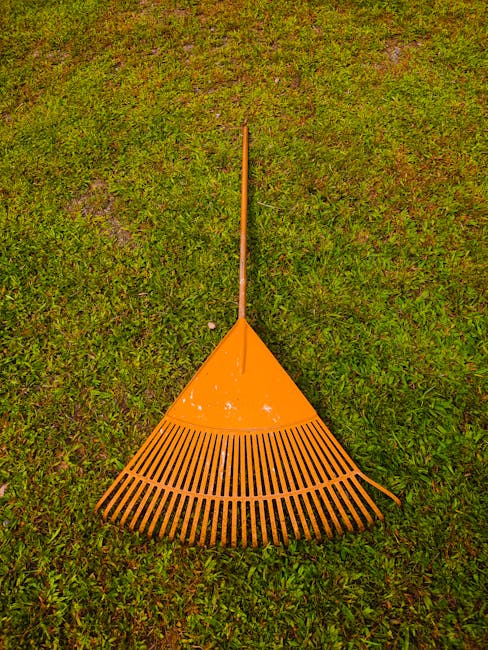
| Leaf clearance | Rake, leaf collector, garden bags | Lightweight tools that work without tearing the turf |
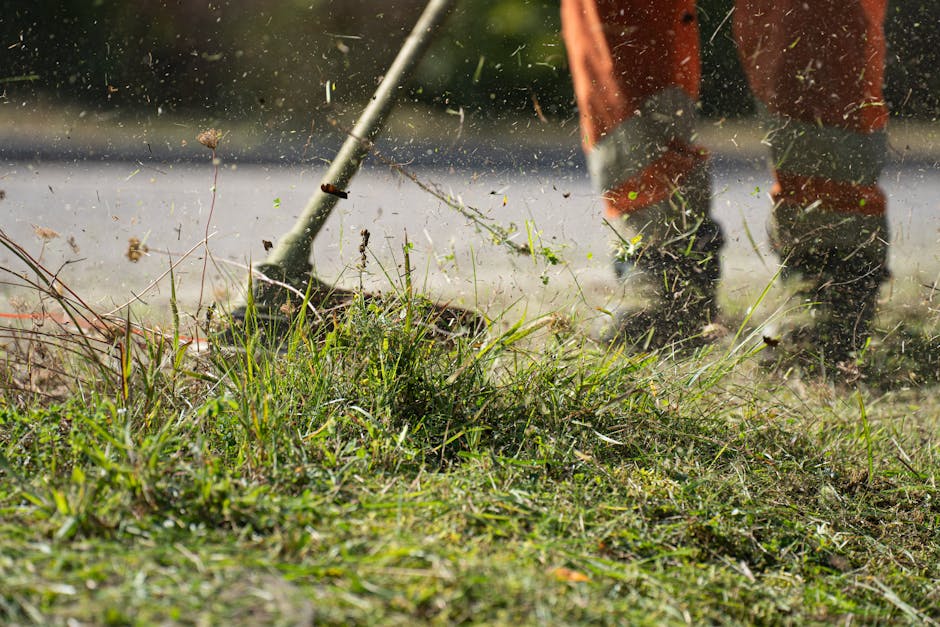
| Mowing | Well-maintained mower, sharp blade | Clean cut, adjustable height, suitable for damp conditions |
| Edging | Half-moon edger, edging shears | Tools that help create neat boundaries without disturbing roots |
| Soil relief | Fork or aerator | Appropriate for light aeration rather than aggressive digging |
| General tidy-up | Gloves, pruning snips, collection bags | Comfort, control, and safe handling in colder weather |
For homeowners who prefer a hands-off approach, professional help can be worthwhile, especially if the garden also needs seasonal hedge work, tree attention, or a more structured maintenance plan. You can compare ongoing care against a one-off tidy-up by looking at pricing and quotes, which is useful when weighing up what is practical this season.
And one small, very real-world point: use equipment that you actually enjoy using. If a tool is awkward, heavy, or unreliable, chances are it will sit in the shed until spring and gather dust. We have all done it. No judgement.
Law, compliance, standards, or best practice
For ordinary domestic lawn care, there is usually no special legal complication. Still, good practice matters, especially if work is being carried out by a gardener or landscaping business.
At a sensible minimum, professional garden work should be carried out with proper attention to:
- health and safety: safe equipment use, sensible handling of tools, and care around slippery ground
- insurance: appropriate cover for work on private property
- waste handling: responsible collection and disposal of green waste where relevant
- site awareness: checking for hazards like hidden stones, uneven surfaces, or buried fixtures
- customer clarity: agreeing the scope of work before the job starts
If you are hiring help, it is fair to expect transparent communication about process and safety. A company that explains how it works is usually a better bet than one that disappears into vague promises. For more detail on how a service provider approaches risk and protection, see insurance and safety and the health and safety policy.
Waste and sustainability also matter. Autumn jobs can create a surprising amount of green waste, and it is sensible to think about reuse, composting, and proper disposal. The recycling and sustainability page is a useful reference point for environmentally responsible garden work.
Options, methods, or comparison table
Not every lawn needs the same treatment. Here is a simple comparison of common late season approaches.
| Method | Best for | Pros | Limitations |
|---|---|---|---|
| Light tidy and final mow | Healthy lawns with modest growth | Quick, low stress, keeps things neat | Won't solve deeper issues |
| Leaf clearance plus edging | Lawns affected by autumn debris | Improves light and appearance fast | Needs repeating if leaves keep falling |
| Light aeration | Compacted or damp-prone lawns | Helps airflow and drainage | Less useful in very wet or frozen conditions |
| Seasonal maintenance visit | Busy households or larger gardens | Consistent, efficient, reduces guesswork | Costs more than doing it yourself |
| Broader garden tidy-up | Lawns affected by surrounding overgrowth | Addresses the bigger cause, not just the symptom | May involve more than the lawn itself |
In many Southgate gardens, the best option is a combination rather than a single method. A tidy-up, a careful mow, and a bit of debris removal may be enough. In other gardens, especially those with trees or shade, the issue is bigger and needs a more joined-up approach.
Case study or real-world example
A typical late season job in Southgate might involve a medium-sized rear lawn bordered by hedges and a couple of mature trees. The owner notices the grass has gone thin near the back fence and keeps looking damp after rainfall. Leaves gather there first, and the mower has started leaving a slightly uneven finish.
Rather than rushing in with a low cut, the better approach is usually to clear the leaf layer, lift the mower height slightly, trim back any encroaching growth, and check whether the area is getting enough light. In one fairly ordinary case, the issue turned out not to be the grass at all but shade and poor airflow from nearby growth. Once the hedge line was improved and the lawn surface was cleared properly, the turf looked less tired within a few weeks and came into spring in much better shape.
That is the thing about lawns. They often tell you what is wrong, but in a kind of whisper. You have to look a little closer. Not dramatic, just honest.
Practical checklist
Use this checklist to finish the season with a lawn that is protected rather than punished.
- Remove leaves, sticks, and garden debris from the surface
- Mow only if the grass is still actively growing
- Avoid cutting too short
- Check for areas where water sits after rain
- Look for compacted or hard soil
- Trim borders and edges for a clean finish
- Note shady areas that may need attention later
- Do not mow when the lawn is frozen or waterlogged
- Keep traffic off soft ground where possible
- Plan any larger repairs for the correct season
If your lawn care is part of a bigger seasonal reset, you may want to combine it with a general tidy of the outside space. A garden rarely benefits from isolated jobs done in the wrong order. The better result comes from the whole picture.
Conclusion
Late season lawn care is not glamorous, but it is one of those quietly valuable jobs that pays back later. For Southgate gardeners, the goal is simple: keep the lawn clean, lightly maintained, and protected from the worst of winter's damp and compaction. That means mowing sensibly, removing debris, watching drainage, and being realistic about what the grass can handle at this time of year.
If you remember only one thing, make it this: less force, more care. A lawn heading into winter does not need to be pushed. It needs to be supported. That is the whole game, really.
Get a free quote today and see how much you can save.
And if you are weighing up whether the job is worth doing yourself or handing over to a professional, trust your instincts. A good seasonal tidy can make the garden feel easier to live with, and a calmer garden has a way of carrying you through the colder months rather nicely.
Frequently Asked Questions
What is late season lawn care in practical terms?
It is the set of end-of-season tasks that help a lawn enter winter in a healthier state. That usually includes a final careful mow, removing leaves and debris, checking drainage, and avoiding anything that stresses the grass.
Should I still mow the lawn in late autumn?
Yes, if the grass is still growing and conditions are suitable. The key is to mow less aggressively and avoid cutting when the lawn is wet, frozen, or damaged by heavy use.
How short should I cut the grass before winter?
Shorter than summer, but not scalped. The grass still needs enough leaf to collect light and stay protected. Going too low can weaken it, especially in cold or damp conditions.
Do leaves really cause that much trouble?
They do. A thin layer is one thing, but a thick, damp mat blocks light, traps moisture, and can encourage patchy, weak turf underneath. Clearing them regularly makes a noticeable difference.
Is aeration worth doing at the end of the season?
Sometimes, yes. If the lawn feels compacted or water pools after rain, light aeration may help. But if the soil is very wet or the weather has turned hard, it may be better to wait for a more suitable time.
Can I feed the lawn in late season?
Potentially, but the feed needs to suit the season. Autumn care is different from spring growth support. If you are unsure, avoid overdoing it and focus on basic maintenance first.
What if my lawn is mostly in shade?
Shade changes everything. A shaded lawn usually needs gentler mowing, better airflow, and attention to nearby hedges or trees that might be blocking light. Sometimes the solution is around the lawn, not on it.
When should I stop mowing altogether?
When growth slows to the point where mowing is no longer useful, or when the weather makes the lawn too wet or vulnerable. There is no fixed date; it depends on the season and the grass itself.
Is it worth hiring a gardener for late season lawn care?
If you want a tidy finish, have a larger garden, or are dealing with compaction, shade, or debris from trees and hedges, it can be a very sensible choice. Professional help also saves time at a busy point in the year.
What should I do if the lawn looks patchy now?
Do not panic. First, clear debris and assess whether shade, poor drainage, or wear is causing the issue. Small repairs may be possible if conditions are mild, but some work is better left until spring.
Can late season lawn care help with moss?
It can help indirectly by improving light, airflow, and surface cleanliness. Moss usually thrives where grass is weak, damp, or shaded, so tackling those conditions is often more effective than chasing the moss alone.
What is the biggest mistake Southgate gardeners make at this time of year?
Usually, it is doing too much or too little. Cutting too hard, leaving leaves to mat down, or ignoring drainage problems all cause trouble. The best approach is measured and steady, not dramatic.